
In any urban development, one of the first and potentially most critical components of a project is locating subsurface utilities.
The maze of underground utilities, ranging from electric cables to gas pipelines, may be out of sight but can become a danger if not accurately identified before excavation or site development begins. Relying on existing mapping isn’t always best practice and adopting a wait-and-see approach will certainly lead to disaster.
To help you start your project on the right foot, let’s delve deeper into the importance of utility locating services in urban development.
Risks of not using a Utility Locating Service
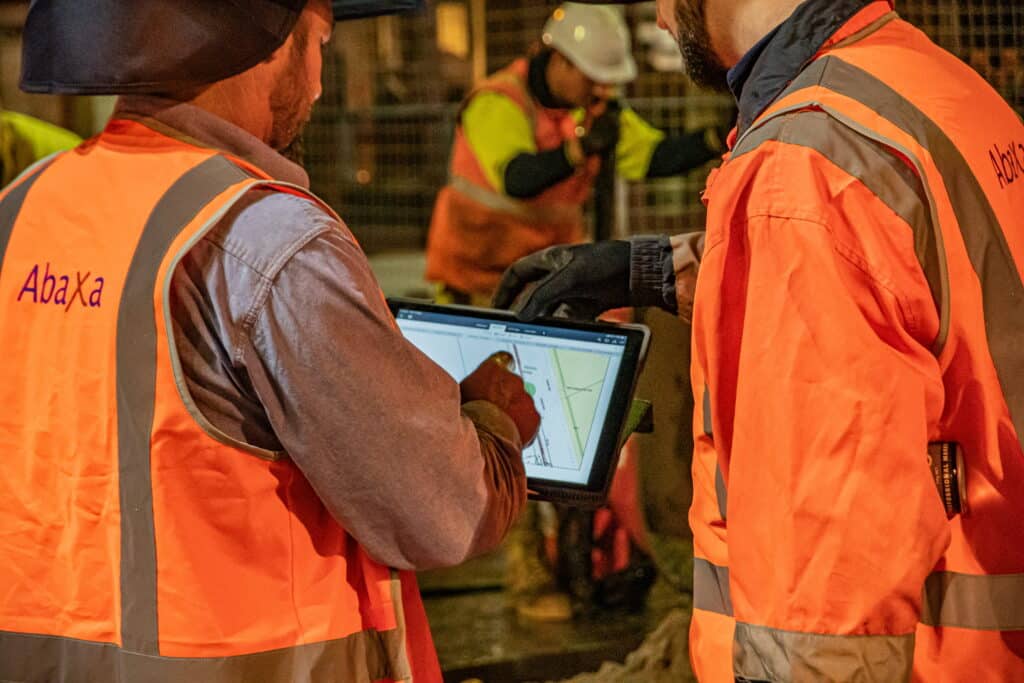
The risks, and associated costs, of not employing a utility locating service are too great to quantify. From bursting a water main that floods adjacent streets, to accidentally severing high-voltage electric cables causing outages, the repercussions of ignoring underground utilities can be severe. Not only does this disrupt public services but the liability in damages and legal fees could be astronomical. Then of course there’s the most important cost, the potential risk of a fatal accident.
In residential areas, the need for utility locating services is especially acute. A single error can mean disruptions in essential utilities like water and electricity for numerous households. These unexpected complications can significantly delay construction projects, causing a ripple effect that extends far beyond the immediate area.
How to choose a Utility Locating Service provider
Comprehensive Utility Detection
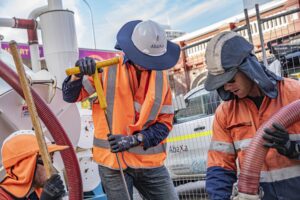
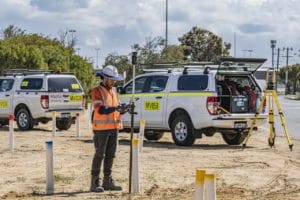
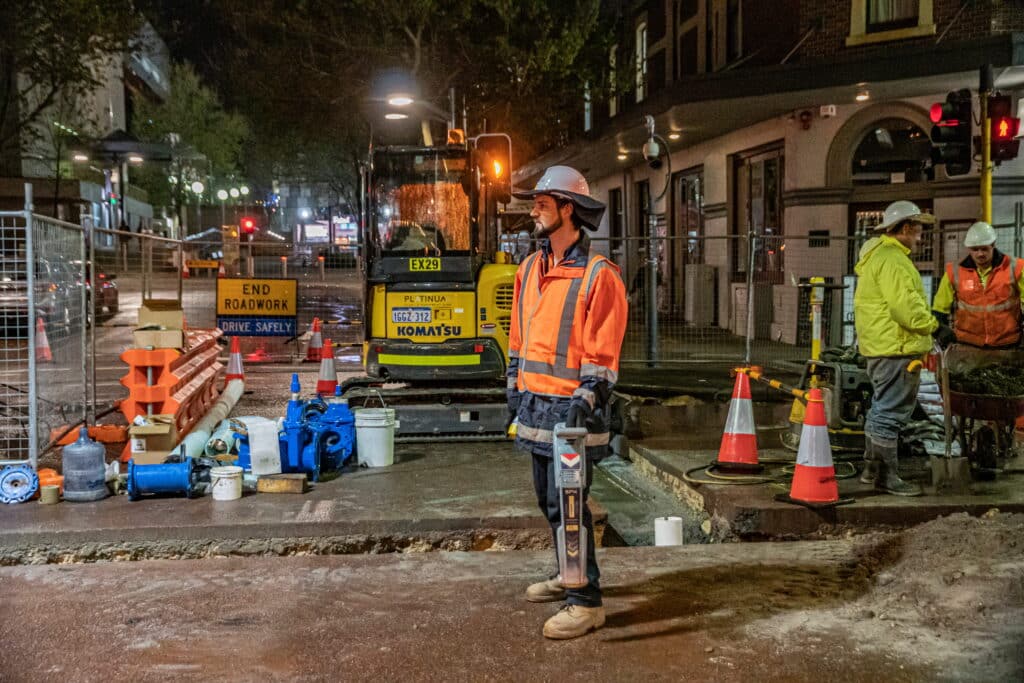
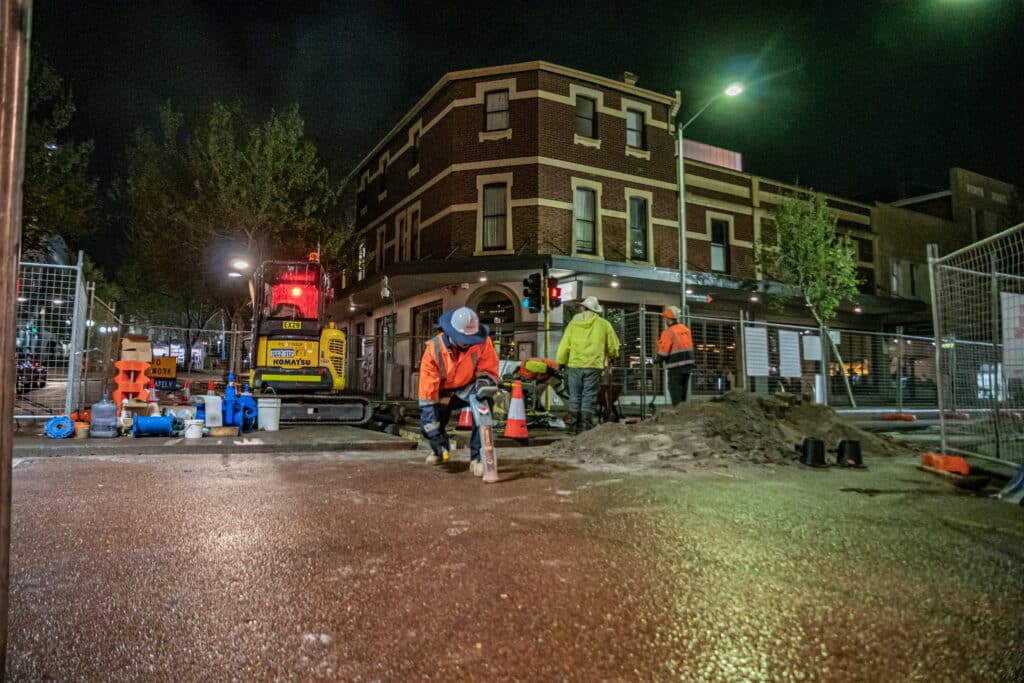
While using state-of-the-art location technology is a crucial part of the process, you need highly trained technicians to operate it. As with any project, you want to identify potential hazards and locate utilities quickly. Choosing Abaxa as your utility location service will help you locate the following underground utilities:
- Electric traffic signals (mains & domestic)
- Communications, cable, fibre optic
- Gas (high pressure gas), oil steam & petroleum
- Water (mains & domestic)
- Stormwater & council drains
- Sanitary sewer
- Reclaimed water & irrigation
The highly trained technicians can also identify the following materials:
- Copper Wires
- Aluminium Wires
- Fibre Optic Cable
- Steel Pipes
- Ductile Iron Pipes
- Concrete Pipes
- Reinforced Concrete Pipes
- Polyethylene Pipes (PE)
- Polyvinyl Chloride Pipes (PVC)
Risk Assessment and Management
The company you choose must have a risk assessment plan in place. Managing risk helps to reduce potential damage, downtime and injuries. Abaxa’s “3 Degrees’ Safety System identifies situations that are considered high, medium and low risk and what actions should be taken before proceeding with siteworks.
Experience and Accreditation
Be sure to check your utility service provider follows subsurface Utility Engineering Industry regulations and operations are compliant with Australian Standards. Your service provider should also have the relevant accreditation and training to work with underground assets like Telstra, Power, Communications, water, sewer, gas and rail.
Single Point of Contact
While it may not seem like the most important part of a project, having one point of contact ensures streamlined communication and improved accuracy. With Abaxa, you’ll be assigned a dedicated, experienced damage prevention technician for your project.
Failure to engage reliable utility locating services can lead to a multitude of issues, from project delays to exorbitant costs and even life-threatening accidents. In residential areas, these services are not just a best practice but a necessity.
If you need an experienced utility service provider to work with you on your project, contact Abaxa. As Western Australia’s largest dedicated sub-surface detection company, Abaxa has utility industry experience spanning 30 years.
For more information on our utility location services and risk assessment procedures, contact Abaxa.